Thursday, December 5, 2024

Thor: The God of Thunder

Thor's Role in Norse Mythology

Thor is a protector of both gods and humans. He is the guardian of Midgard, the realm of humanity, and a fierce defender against the Jotnar, the chaotic giants who threaten the order of the cosmos. His exploits often involve journeys to the land of the giants, where he displays both his strength and cunning.

Among his most famous adventures is his encounter with the giant Hrungnir, whom he defeats in a ferocious battle, and his attempt to drink from the horn in Utgard-Loki's hall, which turns out to be connected to the sea. Thor's attempt demonstrates his unparalleled might, as he lowers the ocean level itself.Thor, one of the most iconic gods in Norse mythology, is revered as the God of Thunder, storms, and strength. His name is synonymous with power, protection, and resilience. As the son of Odin, the All-Father, and Jord, the personification of the Earth, Thor occupies a central role in the mythological narratives of the Norse pantheon. His stories have inspired generations, transcending mythology to become a cultural symbol even in modern times.

Thor's Appearance and Attributes

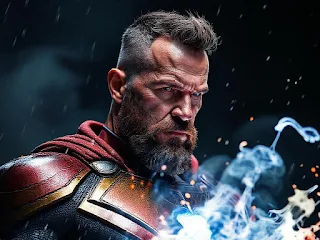
Thor is often depicted as a mighty warrior with fiery red hair and a long beard, wielding the legendary hammer, Mjölnir. Mjölnir, imbued with magical properties, is not only a devastating weapon but also a tool for consecration and blessings. The hammer always returns to Thor's hand, regardless of how far it is thrown, and its strikes produce the deafening sound of thunder.

Thor is also associated with his chariot, drawn by two magical goats, Tanngrisnir and Tanngnjóstr, which he can sacrifice and resurrect, symbolizing the cycle of destruction and renewal. His belt, Megingjörð, doubles his immense strength, making him virtually unbeatable in battle.

Testing post 2

Hello world

Wednesday, December 4, 2024

Tor: God of Thunder

Первый раздел

## Tor: God of Thunder - Origins and Mythology Thor, the God of Thunder, boasts a rich and complex history rooted firmly in Norse mythology. Before his Marvel Comics incarnation, he existed as a powerful figure within the intricate tapestry of Norse legends, a son of Odin, the Allfather, and his wife Frigga. This lineage immediately establishes his status as an Asgardian god, inheriting both immense power and a significant role within the divine pantheon. 

Tor: Asgard's Thunder God

Первый раздел

Tor: Asgard's Thunder God **I. Origins and Asgardian Lineage** Thor, the thunder god of Asgard, boasts a lineage as powerful and awe-inspiring as his own formidable strength. He is the son of Odin, the Allfather, king of the Aesir gods, and Frigga, the goddess of marriage and motherhood. Born within the golden halls of Asgard, a realm of breathtaking beauty and celestial power, Thor's upbringing was one of privilege and immense potential, though not without its challenges. While possessing inherent strength and a natural aptitude for battle, young Thor was initially characterized by a reckless impetuosity and an overreliance on his brute force. His arrogance, though stemming from youthful exuberance, often led him to disregard the wisdom and counsel of his elders, especially his father. Odin, ever watchful and deeply concerned about his son's unchecked power and potential for catastrophic error, recognized the need for Thor's development beyond mere physical prowess. He understood that true strength resided not just in muscular might, but in wisdom, self-control, and a profound understanding of responsibility. Thus began a period of rigorous training and trials for the young god, designed to temper his impulsive nature and cultivate the qualities necessary for a worthy heir to his father's throne. These trials often involved encounters with formidable foes and perilous challenges, each experience meticulously orchestrated by Odin to refine Thor's character and enhance his understanding of the burdens and responsibilities that accompanied his divine status. Through these trials, Thor's journey wasn't merely about physical maturation; it was a profound transformation of his spirit, forging him into the courageous and ultimately wise god he would become, capable of wielding the immense power of Mjolnir and protecting the realms of Asgard and Midgard alike. His early flaws, while significant, served as the crucible from which his greatness emerged.

Второй раздел

## II. Mjolnir: The Hammer of Thor Mjolnir, the hammer of Thor, is far more than a mere weapon; it is a symbol of his power, worthiness, and the very essence of his godhood. Forged by the dwarven smiths Brokkr and Eitri in the heart of a burning mountain, its creation is steeped in Norse mythology. The brothers, challenged by Loki, crafted not only Mjolnir but also the boar Gullinbursti and the ship Skidbladnir, demonstrating unparalleled skill. However, Loki's trickery resulted in a slight flaw: the handle of the hammer is shorter than intended, affecting its wielder's control. Mjolnir's powers are formidable and multifaceted. It commands the very forces of thunder and lightning, allowing Thor to summon devastating storms and hurl bolts of pure energy. The hammer possesses immense strength, capable of shattering mountains and leveling armies. It can also return to Thor's hand upon his summons, a testament to its magical properties and its inseparable bond with its wielder. However, the hammer's true power is not simply brute force; it embodies the concept of worthiness. This enchantment, placed upon it by Odin, ensures that only those deemed worthy can lift and wield Mjolnir. This is not merely a test of physical strength, but a trial of character, requiring moral fortitude, selflessness, and a commitment to justice. The consequences of wielding Mjolnir without possessing the necessary qualities are severe. Those who attempt to lift it without being deemed worthy are met with immediate and often humiliating failure. The enchantment acts as a safeguard, ensuring that the immense power of the hammer doesn't fall into unworthy hands and prevent misuse that could cause widespread destruction. Mjolnir, therefore, serves not only as a weapon but as a measure of the wielder's character, a constant reminder of the responsibility that comes with such immense power. Its very existence is a testament to the Norse concept of balance and the importance of worthiness in wielding power.

Третий раздел

### III. Key Battles and Triumphs Thor's legendary status is cemented by his numerous victories against formidable foes. His strength and mastery over thunder and lightning made him a formidable warrior, capable of defending Asgard and Midgard (Earth) from a myriad of threats. One of his most well-known conflicts is his ongoing struggle against the frost giants of Jotunheim. These powerful beings, often driven by a desire for conquest or revenge, repeatedly challenged Asgard's dominion. Thor's battles against Laufey, the king of the frost giants, and his many sons, are recounted in countless sagas, illustrating his unwavering courage and tactical prowess. He often wielded Mjolnir with devastating effect, unleashing powerful lightning bolts that shattered mountains and leveled armies. His battles weren't limited to giants; he also clashed with monstrous serpents, fearsome dragons, and other mythical creatures that threatened the realms. The destruction of the Midgard Serpent, Jörmungandr, a colossal beast capable of encircling the world, is a particularly noteworthy feat, although achieved only at a great cost. His victories weren't always achieved through brute strength alone; he displayed strategic thinking and cunning, adapting his tactics to overcome adversaries with different strengths and weaknesses. Each battle honed his skills and solidified his reputation as Asgard's most powerful protector. These conflicts aren't merely displays of power; they are testaments to his unwavering commitment to protecting the innocent and upholding justice, even in the face of overwhelming odds. His triumphs shaped the very fabric of Norse mythology, inspiring awe and reverence in both gods and mortals alike.


Tor: Asgard's Thunder God **I. Origins and Asgardian Lineage** Thor, the thunder god of Asgard, boasts a lineage as powerful and awe-inspiring as his own formidable strength. He is the son of Odin, the Allfather, king of the Aesir gods, and Frigga, the goddess of marriage and motherhood. Born within the golden halls of Asgard, a realm of breathtaking beauty and celestial power, Thor's upbringing was one of privilege and immense potential, though not without its challenges. While possessing inherent strength and a natural aptitude for battle, young Thor was initially characterized by a reckless impetuosity and an overreliance on his brute force. His arrogance, though stemming from youthful exuberance, often led him to disregard the wisdom and counsel of his elders, especially his father. Odin, ever watchful and deeply concerned about his son's unchecked power and potential for catastrophic error, recognized the need for Thor's development beyond mere physical prowess. He understood that true strength resided not just in muscular might, but in wisdom, self-control, and a profound understanding of responsibility. Thus began a period of rigorous training and trials for the young god, designed to temper his impulsive nature and cultivate the qualities necessary for a worthy heir to his father's throne. These trials often involved encounters with formidable foes and perilous challenges, each experience meticulously orchestrated by Odin to refine Thor's character and enhance his understanding of the burdens and responsibilities that accompanied his divine status. Through these trials, Thor's journey wasn't merely about physical maturation; it was a profound transformation of his spirit, forging him into the courageous and ultimately wise god he would become, capable of wielding the immense power of Mjolnir and protecting the realms of Asgard and Midgard alike. His early flaws, while significant, served as the crucible from which his greatness emerged.


Тор: Бог Асгарда

Первый раздел

Тор: От высокомерного принца к зрелому герою Тор, Бог грома Асгарда, изначально предстает перед зрителями как высокомерный и самонадеянный принц, уверенный в своем превосходстве и неограниченной силе. Его первые появления в кинематографической вселенной Marvel (MCU) демонстрируют его незрелость и склонность к необдуманным действиям, приводящим к серьёзным последствиям. Одержимый желанием доказать свою силу и заслужить одобрение отца, Одина, Тор пренебрегает мудростью и советами, что приводит к конфликту с Йотунами и лишению его сил. Это изгнание на Землю становится поворотным моментом в жизни Тора. Лишенный своих могущественных способностей, Тор вынужден переосмыслить свою жизнь и взглянуть на себя со стороны. Жизнь среди людей, вдали от роскоши Асгарда, заставляет его осознать свою ответственность и ценность смирения и сочувствия. Взаимодействие с Джейн Фостер, а также трудности, с которыми ему приходится сталкиваться, формируют его характер, помогая ему избавиться от высокомерия и научиться ценить дружбу и любовь. Первый фильм о Торе демонстрирует его путь от самоуверенного воина к более зрелому и ответственному индивидууму. Его борьба с Локи, его братом, который пытается захватить власть в Асгарде, подчеркивает его растущее понимание важности семейных узов и ответственности перед своим народом. Хотя Тор и совершает ошибки, он постоянно учится на них, демонстрируя способность к самосовершенствованию и росту. К концу первого фильма, Тор уже не тот самоуверенный принц, которым он был вначале. Он становится более зрелым и ответственным героем, готовым нести бремя своих способностей и защищать как Асгард, так и Землю. Эта эволюция закладывает основу для его будущих приключений и участия в событиях MCU.

Второй раздел

## Сила, ответственность и семейные узы Семья играет решающую роль в формировании Тора как личности и героя. Его воспитание в Асгарде, под строгим, но любящим взглядом Одина, Всеотца, заложило основу его характера. Один, хоть и требовательный отец, стремился воспитать в Торе чувство ответственности и мудрости, необходимые для управления Асгардом. Однако, чрезмерная опека и ожидания вели к конфликтам между отцом и сыном, закладывая основу для будущих трудностей Тора. Фигура Фригги, матери Тора, представляет собой источник тепла, понимания и безусловной любви, контрастирующий с авторитарным стилем Одина. Ее смерть стала для Тора глубокой травмой, повлиявшей на его дальнейшие действия и решения. Центральным аспектом семейной динамики Тора являются его сложные отношения с Локи, его приемным братом. Эта связь, отмеченная завистью, соперничеством и скрытой любовью, является одной из самых мощных и драматичных в MCU. Локи, лишенный чувства принадлежности и постоянно стремящийся доказать свою состоятельность, неоднократно ставит Тора перед сложным выбором. Их конфликты часто приводят к трагическим последствиям, но одновременно подчеркивают глубину их связи и влияют на развитие обоих персонажей. Желание Тора защитить Локи, даже когда тот совершает ужасные поступки, демонстрирует его собственную эволюцию, переход от высокомерия к состраданию и пониманию. Эта борьба между кровными узами и ответственностью перед народом Асгарда является ведущей темой в истории Тора, постоянно проверяя его моральные принципы и формируя его как героя. В конечном итоге, отношения Тора с Локи служат не только источником конфликта, но и катализатором его роста, уроки, извлеченные из этих взаимоотношений, глубоко влияют на его решения и действия на протяжении всего его пути.

Третий раздел

### Бог грома в киновселенной Marvel: Ключевые битвы и союзники Тор, обладая невероятной силой и способностью управлять молниями, принимал участие в ряде ключевых битв и сражений, которые сформировали кинематографическую вселенную Marvel (MCU). Его дебют в сольном фильме ознаменовался столкновением с разрушительной силой его сводного брата Локи и вторжением инопланетной армии на Землю. Эта битва показала не только могущество Тора, но и его постепенное взросление и принятие ответственности. Дальнейшие события в "Мстителях" продемонстрировали его важную роль в борьбе против угрозы мирового масштаба – армии Читаури под предводительством Таноса. Совместно с другими Мстителями, Тор сыграл ключевую роль в спасении Нью-Йорка, продемонстрировав свою эффективность как члена команды и верного союзника. В "Тор 2: Царство тьмы" Тор столкнулся с угрозой из другого измерения, противостоя Этером – могущественной силе, способной поглотить всю вселенную. Эта битва подчеркнула его растущие навыки стратегического мышления и способности координировать действия в масштабных конфликтах. "Тор: Рагнарек" представил зрителям масштабную битву за Асгард, где Тор сражался с Хелой, богиней смерти, и потерял свой дом. Этот конфликт показал его уязвимость и готовность жертвовать всем ради спасения своих людей. Битва на Валкирии и противостояние с Супер-Халком стали яркими моментами этой части истории. В "Мстителях: Война бесконечности" и "Мстителях: Финал" Тор сыграл одну из ключевых ролей в противостоянии Таносу. Его встреча с Таносом на Нидавелире, где он получил новый молот Громобой, и последующая битва на Ваканде стали кульминационными моментами его истории в MCU. Несмотря на свои поражения, Тор продемонстрировал неукротимую волю и преданность своим союзникам, став ключевой фигурой в финальной битве с Таносом и его армией. Взаимодействие Тора с другими Мстителями, особенно с Капитаном Америкой, Железным Человеком и Халком, показало его способность к сотрудничеству и построению крепких связей, что подтвердило его важность для команды и всего MCU.


Тор: От высокомерного принца к зрелому герою Тор, Бог грома Асгарда, изначально предстает перед зрителями как высокомерный и самонадеянный принц, уверенный в своем превосходстве и неограниченной силе. Его первые появления в кинематографической вселенной Marvel (MCU) демонстрируют его незрелость и склонность к необдуманным действиям, приводящим к серьёзным последствиям. Одержимый желанием доказать свою силу и заслужить одобрение отца, Одина, Тор пренебрегает мудростью и советами, что приводит к конфликту с Йотунами и лишению его сил. Это изгнание на Землю становится поворотным моментом в жизни Тора. Лишенный своих могущественных способностей, Тор вынужден переосмыслить свою жизнь и взглянуть на себя со стороны. Жизнь среди людей, вдали от роскоши Асгарда, заставляет его осознать свою ответственность и ценность смирения и сочувствия. Взаимодействие с Джейн Фостер, а также трудности, с которыми ему приходится сталкиваться, формируют его характер, помогая ему избавиться от высокомерия и научиться ценить дружбу и любовь. Первый фильм о Торе демонстрирует его путь от самоуверенного воина к более зрелому и ответственному индивидууму. Его борьба с Локи, его братом, который пытается захватить власть в Асгарде, подчеркивает его растущее понимание важности семейных узов и ответственности перед своим народом. Хотя Тор и совершает ошибки, он постоянно учится на них, демонстрируя способность к самосовершенствованию и росту. К концу первого фильма, Тор уже не тот самоуверенный принц, которым он был вначале. Он становится более зрелым и ответственным героем, готовым нести бремя своих способностей и защищать как Асгард, так и Землю. Эта эволюция закладывает основу для его будущих приключений и участия в событиях MCU.


Тор: Бог Асгарда

Первый раздел

## Тор: От высокомерного принца к зрелому герою Тор, сын Одина, правителя Асгарда, первоначально предстает перед нами как самонадеянный и неопытный принц, жаждущий доказать свою силу и право на престол. Его высокомерие и нетерпение приводят к столкновению с отцом и изгнанию на Землю, где он лишается своей могучей силы Мьёльнира. Этот момент становится поворотным пунктом в его развитии. Лишенный божественной мощи, Тор вынужден столкнуться с реальностью, познать смирение и научиться ценить человеческие ценности. В борьбе с морозовыми великанами, он начинает понимать важность ответственности и необходимость сотрудничества, проявляя первые признаки зрелости и лидерских качеств. В последующих фильмах эволюция Тора продолжается. Он учится контролировать свою силу, используя её не для самоутверждения, а для защиты невинных. Битва с Даркселфом в «Темном мире» показывает его растущую зрелость, хотя и сопровождается ошибками, вытекающими из его стремления защитить Асгард любой ценой. В «Рагнарёке» Тор сталкивается с катастрофическим уничтожением своего родного мира и потерей отца, что глубоко ранит его и заставляет переосмыслить свои взгляды на жизнь и смерть, власть и ответственность. Утрата Асгарда и его традиционных устоев заставляет Тора адаптироваться к новым условиям и взглянуть на себя с критической стороны. Постепенно Тор учится принимать свои ошибки и учиться на них. Он освобождается от бремени ожиданий, связанных с его королевским происхождением, и находит силу не только в своей божественной сущности, но и в своих человеческих качествах: сочувствии, смелости, верности друзьям. В «Войне бесконечности» и «Финале», он демонстрирует не только невероятную силу, но и мудрость, принимая сложные решения, необходимые для спасения вселенной, даже если это означает жертвы и потери. Из высокомерного принца Тор превращается в зрелого, мудрого и самоотверженного лидера, готового защищать не только свой народ, но и всю вселенную.

Второй раздел

## Сила и слабости Тора: Божественная мощь и человеческие недостатки Тор, как сын Одина, обладает невероятной силой, выходящей за рамки человеческого понимания. Его божественная природа наделяет его сверхчеловеческой силой, выносливостью, скоростью и рефлексами. Он способен управлять молниями, летать, и обладает практически неуязвимой кожей. Мьёльнир, его легендарный молот, усиливает его способности, позволяя ему управлять погодой, создавать мощные энергетические взрывы и путешествовать сквозь пространство и время. Его мастерство владения оружием также впечатляет, он является опытным воином, способным сражаться как с мечом, так и с голыми руками. Однако, несмотря на свою божественную мощь, Тор не лишен человеческих слабостей. Его гордость и высокомерие, особенно в начале его пути, неоднократно приводили к ошибкам с серьезными последствиями. Он часто полагается на свою силу, игнорируя стратегию и дипломатию, что делает его уязвимым перед более хитроумными противниками. Его импульсивность и склонность к необдуманным действиям также представляют собой серьезную угрозу. На протяжении своих приключений Тор учится контролировать свою силу и преодолевать свои недостатки. Потеря Мьёльнира заставила его переосмыслить свою зависимость от внешних источников силы и обратиться к своему внутреннему потенциалу. Травмы, как физические, так и эмоциональные, научили его смирению и пониманию важности сотрудничества. Хотя он продолжает демонстрировать свою силу, Тор становится более сдержанным и осторожным, учась использовать свою мощь с мудростью и рассудительностью. Он понимает, что истинная сила не только в физических способностях, но и в характере, моральных принципах и умении принимать сложные решения. Его эволюция от высокомерного принца к зрелому герою – это и есть главный показатель его преодоления собственных слабостей и превращения их в источник силы.

Третий раздел

### Ключевые отношения: Любовь, дружба, соперничество Жизнь Тора неразрывно связана с сетью сложных и противоречивых отношений, которые сформировали его характер и определили его путь. Центральным в этой сети является его взаимоотношение с Локи, сводным братом, с которым его связывает одновременно глубокая любовь и яростное соперничество. Их отношения, полные предательств и примирений, являются одними из самых захватывающих и эмоционально насыщенных в киновселенной Marvel. В начальных фильмах их вражда обусловлена чувством ревности и неравенства, усугубленным манипуляциями Локи со стороны более могущественных сил. Однако, несмотря на все конфликты и попытки Локи причинить Тору вред, между ними прослеживается нерушимая связь братьев, проявляющаяся в моменты наибольшей опасности и требующая жертв. Их взаимоотношения – это постоянная борьба между любовью и ненавистью, верностью и предательством, превращающая их в сложный и многогранный дуэт. Другой ключевой фигурой в жизни Тора является Джейн Фостер, астрофизик, которая стала не только его возлюбленной, но и близким другом. Их отношения, развивающиеся на протяжении нескольких фильмов, показывают Тора с более человечной стороны, обнажая его уязвимость и способность к глубоким чувствам. Джейн помогает Тору стать лучше, научиться ценить мир смертных и понимать человеческую природу, внося в его жизнь баланс между его божественной сущностью и человеческим сердцем. Несмотря на испытания, их связь остаётся значимой, влияя на решения Тора и формируя его мировоззрение. Помимо Локи и Джейн, Тор развивает тесные отношения с другими персонажами, такими как Хеймдалл, верный страж Асгарда, и Воины трёх миров, с которыми он бок о бок сражается, находя в них верных друзей и союзников. Эти отношения добавляют глубины характеру Тора, показывая его способность к преданности и дружбе, способность находить поддержку и строить прочные связи. Эти связи, как и отношения с Локи и Джейн, помогают Тору пройти через различные испытания, развивая его как личность и героя.


## Тор: От высокомерного принца к зрелому герою Тор, сын Одина, правителя Асгарда, первоначально предстает перед нами как самонадеянный и неопытный принц, жаждущий доказать свою силу и право на престол. Его высокомерие и нетерпение приводят к столкновению с отцом и изгнанию на Землю, где он лишается своей могучей силы Мьёльнира. Этот момент становится поворотным пунктом в его развитии. Лишенный божественной мощи, Тор вынужден столкнуться с реальностью, познать смирение и научиться ценить человеческие ценности. В борьбе с морозовыми великанами, он начинает понимать важность ответственности и необходимость сотрудничества, проявляя первые признаки зрелости и лидерских качеств. В последующих фильмах эволюция Тора продолжается. Он учится контролировать свою силу, используя её не для самоутверждения, а для защиты невинных. Битва с Даркселфом в «Темном мире» показывает его растущую зрелость, хотя и сопровождается ошибками, вытекающими из его стремления защитить Асгард любой ценой. В «Рагнарёке» Тор сталкивается с катастрофическим уничтожением своего родного мира и потерей отца, что глубоко ранит его и заставляет переосмыслить свои взгляды на жизнь и смерть, власть и ответственность. Утрата Асгарда и его традиционных устоев заставляет Тора адаптироваться к новым условиям и взглянуть на себя с критической стороны. Постепенно Тор учится принимать свои ошибки и учиться на них. Он освобождается от бремени ожиданий, связанных с его королевским происхождением, и находит силу не только в своей божественной сущности, но и в своих человеческих качествах: сочувствии, смелости, верности друзьям. В «Войне бесконечности» и «Финале», он демонстрирует не только невероятную силу, но и мудрость, принимая сложные решения, необходимые для спасения вселенной, даже если это означает жертвы и потери. Из высокомерного принца Тор превращается в зрелого, мудрого и самоотверженного лидера, готового защищать не только свой народ, но и всю вселенную.


Тор: Бог Асгарда


## Происхождение и Ранние Годы Тор, Бог Грома Асгарда, является сыном Одина, верховного короля Асгарда, и Гаи, богини Земли. Его происхождение само по себе предопределяло его путь – путь к могуществу, славе и ответственности. Воспитанный в роскоши и привилегиях Асгарда, Тор с юных лет обладал невероятной силой и гордыней, часто пренебрегая мудростью своего отца и демонстрируя неповиновение. Его высокомерие и жажда славы были ярко выражены, затмевая осознание его истинного потенциала и бремени ответственности, которое несет за собой божественная сущность. В ранние годы Тора больше интересовали войны и демонстрация своей силы, чем обязанности наследника престола. Его тренировки под руководством Одина, хотя и строгие, не всегда были успешными в обуздании его импульсивности. Конфликты с Локи, его приемным братом, часто обостряли ситуацию, подчеркивая контраст между Торром – воплощением грубой силы – и Локи – мастером интриг и манипуляций. Зависть Локи к Тору и стремление к власти становились причиной многих проблем, которые неоднократно проверяли Тора на прочность и заставляли его учиться ответственности. Одним из ключевых моментов, сформировавших характер Тора, стало его изгнание на Землю Одином. Лишенный своих сил и вынужденный жить среди людей, Тор столкнулся с простыми земными трудностями и осознал цену смирения и сострадания. Это изгнание стало для него суровым, но необходимым уроком, научившим его ценить то, что он имеет, и осознать важность ответственности, а не только слепой силы. Опыт жизни среди смертных существенно повлиял на его мировоззрение, заложив основы для его дальнейшего развития как героя. В этот период он познакомился с Джейн Фостер, которая сыграла значительную роль в его жизни и дальнейшей эволюции. Изгнание и взаимодействие с людьми стали катализатором превращения высокомерного принца в более зрелого и ответственного героя.


Tuesday, December 3, 2024

Тор: Бог Асгарда


## Происхождение и ранние годы Тора: От высокомерия к ответственности Тор, Бог Грома Асгарда, сын могущественного Одина и Гаи Лафейсон, родился в роскоши и могуществе, окруженный божественным величием. Его детство, хоть и привилегированное, было далеко от безмятежности. С самого начала существовала напряженная динамика в отношениях Тора с его приемным братом Локи, сыном Ледяного великана Лафей. Различие в происхождении и характере закладывало основу для будущих конфликтов и сложных взаимоотношений, которые будут определять судьбы обоих братьев на протяжении многих лет. Тор, будучи наследником Одина, обладал невероятным потенциалом, но его молодость характеризовалась высокомерием и стремлением к самоутверждению. Он часто пренебрегал советами отца и демонстрировал безрассудство, используя свои огромные силы без должного уважения к последствиям. Его неуемная жажда славы и нетерпение часто приводили к конфликтам с другими асгардцами и соседними народами, вызывая гнев и разочарование Одина. Одна из таких демонстраций высокомерия и неосторожности привела к серьезным последствиям. Война с Йотунами, великанами из Йотунхейма, достигла своего пика, и Тор, несмотря на предупреждения отца, вторгся в их земли, разжигая конфликт. Это действие стало катализатором для Одина, который, видя опасность безответственного поведения Тора, принял решение лишить его сил и изгнать на Землю. Изгнание на Землю стало поворотным моментом в жизни Тора. Лишенный своей божественной силы и столкнувшись с обычными людьми и их проблемами, Тор начал понимать важность ответственности и смирения. Его столкновения с Джейн Фостер и другими жителями Земли сформировали его человечность и помогли ему преодолеть свою гордыню. Постепенно, через испытания и трудности, он начал ценить жизнь за пределами Асгарда и понимать истинную суть своего предназначения как защитника и лидера. Это начало длительного пути к самосовершенствованию и становлению настоящим Богом Грома, достойным своего титула.

Тор: Бог Асгарда  style=

Тор: Асгардский Бог


## Тор: Бог Грома и его происхождение Тор, Бог Грома, является одним из самых могущественных и узнаваемых персонажей вселенной Marvel. Его история, глубоко укорененная в скандинавской мифологии, наполняет его образ исключительной мощью и драматизмом. Сын Одина, верховного правителя Асгарда, и Фригги, богини-матери, Тор с рождения предназначался для великих свершений. Однако его путь к обретению истинного величия был далек от гладкого. Асгард, мифическое царство, является родиной Тора и местом, где формировались его ценности и убеждения. Его положение в асгардской иерархии – принц, наследник трона – накладывало на него огромную ответственность. Но молодой, импульсивный Тор часто пренебрегал своими обязанностями, отдавая предпочтение демонстрации силы и славе на поле боя. Его брат, Локи, бог обмана и хитрости, постоянно подливал масла в огонь, используя Торa для своих коварных замыслов, создавая напряжение и конфликты между братьями, которое будет проходить красной нитью через всю их историю. Огромная сила Тора, предоставленная ему божественной природой, проявляется в его физической силе, сверхчеловеческой выносливости и способности управлять молниями. Его основной артефакт – могучий молот Мьёльнир – не просто оружие, но и символ власти, достойный лишь самых достойных. Мьёльнир усиливает и без того впечатляющие способности Тора, позволяя ему летать, изменять погоду и вызывать разрушительные удары грома. Однако, владение Мьёльниром требует не только физической силы, но и высокой нравственности и самоотверженности, что Тор учится ценить по мере своего развития. Его происхождение – божественная кровь Одина и Фригги, определяет его непревзойденную мощь, но также накладывает на него тяжелое бремя ответственности за судьбы как Асгарда, так и всего остального мира.


Тор: Бог Асгарда


## Тор – от мифологии к Marvel Тор, Бог Грома, – персонаж, чьи корни уходят глубоко в скандинавскую мифологию. Его прототип, Тор, сын Одина, — могущественный бог грома и молний, защитник Асгарда и покровитель воинов. В мифах он изображается как сила природы, обладающий не только невероятной физической мощью, но и вспыльчивым характером, склонностью к хвастовству и пристрастием к веселью и пирушкам. Его волшебный молот Мьёльнир, наделенный огромной силой и способностью управлять погодой, является символом его власти и могущества. Образ Тора, заимствованный Marvel, успешно интегрировал элементы скандинавской мифологии в современный контекст, сохранив при этом ключевые черты персонажа. Marvel Comics взяли за основу богатырский образ Тора, добавив к нему сложную психологическую глубину и разнообразные сюжетные арки. В комиксах Тор представлен как принц Асгарда, сын Одина и Гаи, обладающий божественной силой и огромным потенциалом, но часто сдерживаемый своим высокомерием и желанием доказать свою доблесть. Marvel привнесла в образ Тора более человеческие качества, делая его более доступным для современной аудитории. Хотя он сохраняет свою божественную природу и силу, Тор в комиксах сталкивается с сомнениями, разочарованиями и моральными дилеммами, делающими его более реалистичным и симпатичным героем. Важно понимать мифологический контекст, чтобы оценить всю полноту образа Тора в Marvel. Знание сканданавских мифов дает более глубокое понимание его мотиваций, его связи с другими персонажами, такими как Локи и Одина, а также его роли в более широком мире Асгарда. Marvel успешно переосмыслила мифологический образ для современной аудитории, создав персонажа, который является одновременно верным своим корням и отражает современные ценности и проблемы. Это свидетельствует о мастерстве создателей Marvel, успешно синтезировавших мифологию и современную культуру, создав культовый образ Тора, который продолжает оставаться актуальным и популярным на протяжении многих лет.


Тор: Бог Асгарда


## Тор: Бог Асгарда – от претенциозного принца к зрелому герою Фильм "Тор: Бог Асгарда" – это грандиозная сага о взрослении и ответственности, повествующая о дальнейших приключениях любимого многими бога грома, Тора. Режиссерская работа, (указать имя режиссера, если известно), представляет нам зрелого, но все еще упрямого Тора, которого играет Крис Хемсворт, в борьбе за спасение своего родного Асгарда и своих близких от могущественного и коварного врага. Этот фильм, вышедший (указать год выхода), занимает ключевое место в кинематографической вселенной Marvel (MCU), закладывая фундамент для многих последовавших за ним событий и влияя на общую сюжетную арку франшизы. Сюжет "Тора: Бог Асгарда" завязан на возвращении Тора на Asgard после событий предыдущих фильмов, где он уже успел пройти через множество испытаний и преодолеть собственные недостатки. Теперь ему предстоит справиться с новой угрозой, которая ставит под вопрос само существование его народа. В фильме мы видим развитие отношений Тора с его братом Локи (Том Хиддлстон), который, несмотря на свои предательства, остается важной частью жизни Тора. Также важную роль играют другие персонажи, такие как Валькирия (Тесса Томпсон), Хеймдалль (Идрис Эльба) и др. Ключевым моментом сюжета является битва за Asgard, которая становится не только физическим, но и духовным испытанием для Тора. Он должен не только защитить свой народ, но и научиться принимать ответственность за свои действия и принимать трудные решения. В этом контексте фильм представляет не только зрелищные сражения и спецэффекты, но и глубокий психологический портрет героя, его путь от претенциозного принца к мудрому и ответственному правителю. Фильм не избегает темы жертвенности, потери и преодоления трагедий, что придает ему особую глубину и эмоциональную силу. Следующие разделы позволят нам подробнее рассмотреть эти и многие другие аспекты "Тора: Бога Асгарда".


Никаких вирусов.www.avast.com

Вот несколько вариантов заголовков: * **Тор: Асгардский Бог** (Простой и понятный) * **Тор - Бог Асгарда** (Более лаконично) * **Тор: Мощь Асгарда** (Добавляет эпичности) * **Асгард: Царство Тора** (Фокус на Асгарде) Выбирайте тот, который лучше всего подходит для вашего блога и целевой аудитории.

Hello!

**Заголовок:** Тор: Мощь Асгарда (выбран за свою эпичность и привлекательность для широкой аудитории, интересующейся мифологией и супергероями) **Саммари:** Эта статья посвящена Тору, богу грома из Асгарда, и его невероятной силе. Мы разберем его происхождение, ключевые способности, самые значимые битвы и роль в комиксах и киновселенной Marvel. Также коснёмся влияния скандинавской мифологии на образ Тора. **Структура статьи (5 разделов):** 1. **Происхождение Тора: от сына Одина до Бога Грома:** Раздел расскажет о рождении Тора, его воспитании Одином, первоначальных трудностях и получении могучего молота Мьёльнира. Здесь будет упор на мифологические параллели и различия с оригинальными скандинавскими мифами. 2. **Сила и Способности Тора: Бог Грома в действии:** Подробное описание сверхчеловеческих сил Тора: контроль над молниями, сверхчеловеческая сила, выносливость, долголетие и другие способности. Будут приведены примеры из комиксов и фильмов. 3. **Ключевые Битвы Тора: от врагов Асгарда до космических угроз:** Этот раздел будет посвящен значительным сражениям Тора, его победам и поражениям, а также его ключевым противникам: от Локи до более могущественных врагов. Особое внимание будет уделено эпичности и масштабу сражений. 4. **Тор в Киновселенной Marvel: эволюция образа и его влияние:** Анализ экранизаций Тора, изменения его образа в разных фильмах, вклад актера Криса Хемсворта в формирование образа персонажа и влияние фильмов на популярность Тора. 5. **Наследие Тора: влияние скандинавской мифологии и будущее бога грома:** Заключительный раздел, посвященный влиянию скандинавских мифов на образ Тора, его культурному влиянию и возможным будущим событиям в комиксах и кино.


## Происхождение Тора: от сына Одина до Бога Грома Тор, Бог Грома, один из самых узнаваемых персонажей Marvel, имеет богатую и сложную историю, тесно переплетенную со скандинавской мифологией. Его происхождение – это история о могущественном отце, амбициозном сыне и судьбоносном молоте, который определил его путь. Тор – старший сын Одина, верховного бога Асгарда, и богини земли, Йорд. Его рождение было событием, которого с нетерпением ждали в Асгарде, предвещающим силу и защиту для царства. Но, в отличие от идеализированного образа благородного героя, молодость Тора была отмечена высокомерием и импульсивностью. Несмотря на свои впечатляющие физические данные и скрытый потенциал, Тор часто пренебрегал мудростью своего отца и руководствовался скорее гордыней, чем благоразумием. Один, видя опасность в неограниченной силе своего сына, решил обуздать его пыл. Он не просто воспитывал Тора как наследника, а подвергал его суровым испытаниям, стремясь научить его смирению и ответственности. Эти испытания часто принимали форму сложных задач и битв, позволяющих Тору осознать масштаб своей силы и её потенциальные последствия. Кульминацией этого воспитания стало получение Тором легендарного молота Мьёльнира. Кузнец богов, Этри, выковал этот могучий артефакт из сердца умирающей звезды, вложив в него невероятную силу. Однако, Мьёльнир не достался Тору легко. Только тот, кто достоин, сможет поднять этот молот и обрушить на врагов гнев грома. Тор, после многих испытаний, доказал свою способность нести ответственность за свою силу, и лишь тогда смог поднять и овладеть Мьёльниром, став истинным Богом Грома. Интересно, что образ Тора в Marvel Comics, хотя и вдохновлен скандинавской мифологией, имеет значительные отличия от оригинальных мифов. Например, в мифах Тор – лишь один из многих сыновей Одина, в то время как в комиксах он является старшим и наиболее заметным. Некоторые из его подвигов и характеристики также изменены или дополнены, чтобы лучше соответствовать фантастической вселенной Marvel. Тем не менее, основная канва истории – история о рождении, воспитании и возмужании могучего Бога Грома – остаётся верной своему мифологическому источнику. **Описание иллюстрации:** Иллюстрация изображает молодого Тора с длинными светлыми волосами, одетый в традиционное асгардское облачение, пытающегося поднять Мьёльнир. Молодежный пыл и уверенность в его лице сочетаются с некоторой неуверенностью в движениях, отражая его трудности в овладении могущественным оружием. Фон иллюстрации – скалистые горы Асгарда, подсвеченные золотистым светом, подчеркивая мифологическое окружение.


Никаких вирусов.www.avast.com

Monday, December 2, 2024

Thor: The God of Thunder


Thor, one of the most iconic gods in Norse mythology, is revered as the God of Thunder, storms, and strength. His name is synonymous with power, protection, and resilience. As the son of Odin, the All-Father, and Jord, the personification of the Earth, Thor occupies a central role in the mythological narratives of the Norse pantheon. His stories have inspired generations, transcending mythology to become a cultural symbol even in modern times.

Thor's Appearance and Attributes

Thor is often depicted as a mighty warrior with fiery red hair and a long beard, wielding the legendary hammer, Mjölnir. Mjölnir, imbued with magical properties, is not only a devastating weapon but also a tool for consecration and blessings. The hammer always returns to Thor's hand, regardless of how far it is thrown, and its strikes produce the deafening sound of thunder.

Thor is also associated with his chariot, drawn by two magical goats, Tanngrisnir and Tanngnjóstr, which he can sacrifice and resurrect, symbolizing the cycle of destruction and renewal. His belt, Megingjörð, doubles his immense strength, making him virtually unbeatable in battle.

Thor's Role in Norse Mythology

Thor is a protector of both gods and humans. He is the guardian of Midgard, the realm of humanity, and a fierce defender against the Jotnar, the chaotic giants who threaten the order of the cosmos. His exploits often involve journeys to the land of the giants, where he displays both his strength and cunning.

Among his most famous adventures is his encounter with the giant Hrungnir, whom he defeats in a ferocious battle, and his attempt to drink from the horn in Utgard-Loki's hall, which turns out to be connected to the sea. Thor's attempt demonstrates his unparalleled might, as he lowers the ocean level itself.

Thor in Ragnarok

Thor's role in Norse mythology culminates in Ragnarok, the prophesied end of the world. During this apocalyptic event, Thor faces his greatest adversary, the serpent Jörmungandr, a creature so massive it encircles the world. In their final battle, Thor slays the serpent but succumbs to its venom, signifying the ultimate sacrifice for the preservation of order.

Thor in Popular Culture

Thor's legacy extends far beyond ancient texts. He has been immortalized in modern literature, movies, and comics, most notably as a superhero in the Marvel Cinematic Universe. This version of Thor, portrayed as a noble but often humorous character, has introduced the god of thunder to a global audience, blending ancient mythology with contemporary storytelling.

Symbolism and Legacy

Thor symbolizes strength, courage, and loyalty. As a deity who consistently protects humanity from chaos, he embodies the ideal of the selfless protector. His stories remind us of the balance between destruction and creation and the inevitability of change.

Thor's enduring presence in modern culture underscores his relevance as a figure who bridges the ancient and the modern, inspiring awe and admiration across centuries. Whether as a mythological deity or a comic book hero, Thor remains a timeless icon of power and resilience.

Sunday, May 21, 2017

Section 1235

Section 1235

Bunch of awesome content

Section 2

Bunch of awesome content

Section 3

Monday, April 3, 2017

How Google Works (Eric Schmidt and Jonathan Rosenberg) | Briefly GQ

In this summary, you will learn

  • How Google does things differently,
  • What strategies will help you nourish “smart creatives” on your staff and
  • What traits distinguish Google’s corporate culture and environment.


No Plan Is the Best Plan

When Larry Page and Sergey Brin founded Google in 1998, their guiding principles were: Build excellent products and platforms, and offer superior, accessible services. “Focus on the user,” and the “money stuff” will work itself out. Create the best search engine by hiring talented engineers and giving them free rein. Manage loosely, and let people work without being encumbered by processes and procedures. When in doubt, “just go talk to the engineers.”

When it became clear that Microsoft recognized Google as a competitive target, Mike Moritz, a member of Google’s board, asked for a business plan and wanted to discuss strategy. Head of products Jonathan Rosenberg knew why this request was a problem. He’d initially spent weeks developing a traditional “gate-based” plan for a search product. When he presented it, Page asked him, “Have your teams ever delivered better products than what was in the plan?” Rosenberg said no, so Page discarded the plan. Rosenberg and Eric Schmidt, CEO of Google Inc. since 2001, presented a revised plan to the board in 2003. The version they offered lacked the traditional components of a business strategy, but it reinforced the message that “the way to challenge Microsoft is to create great products.”

“Infinite data and infinite computing power create an amazing playground for the world’s smart creatives to solve big problems.”

Google is a $50-billion company that employs more than 45,000 people in 40-plus countries. Its success reflects its founders’ understanding that Google had to rethink established business processes and management principles in order to create a new, innovative work environment.

“Hire people who are smart enough to come up with new ideas and crazy enough to think they just might work.”

“The Internet Century”

Information is free and accessible via the Internet. Mobile and digital technologies connect people and networks across borders and around the world. Cloud computing makes the storage of computing power and information inexpensive, and almost unlimited. Pre-Internet companies that created businesses built on proprietary information and scarcity of resources are ripe for disruption. Cheap and accessible information, connectivity and computing power lowered or eliminated barriers of entry for almost every industry.

Offering superior products is the only way to stay relevant. People have so much access to information and such a variety of choices that having a large marketing and advertising budget doesn’t guarantee continued success. The costs of risky experimentation that leads to failure and fresh attempts are significantly lower. This has been true for high-tech products for some time. The process of 3D printing – which builds prototypes cheaply – brings this same ease of experimentation to manufacturing. Successfully bringing products to market requires speed. Companies with pre-Internet product-development structures won’t be able to keep up.

“The primary objective of any business today must be to increase the speed of the product development process and the quality of its output.”

“Smart Creatives”

Knowledge workers who thrived in traditional corporations by developing deep expertise in one area won’t have the same impact or value in high-speed production environments. Google seeks smart creatives, people who excel in several areas or tasks, and who enjoy risk and unlimited access to information and computing power. Smart creatives, the lifeblood of Internet Century companies, pursue their ideas, speak up when they disagree, get bored quickly and change jobs often. They are self-directed, collaborative, hardworking and energetic, but not easy to manage or direct. Their work must be meaningful, and that meaning stems from company culture.

“A great start-up, a great project – a great job, for that matter – should be fun, and if you’re working your butt off without deriving any enjoyment, something’s probably wrong.”

On a Friday afternoon in 2002, Larry Page conducted an online search. He disliked the irrelevant ads that popped up. Rather than follow the traditional route and call in the person in charge of AdWords, hold meetings to discuss the problem and plan a course of action, Page posted the offending ads on a bulletin board in the kitchen with the caption, “These Ads Suck.” Search engineer Jeff Dean saw the note and worked with his colleagues over the weekend assembling a prototype of a solution. By Monday, they had laid the groundwork for placing ads by relevancy rather than by clicks or revenue. Their spontaneous efforts greatly improved the AdWords engine. Dean and his volunteers weren’t part of the AdWords team. They understood and supported the company’s priorities and helped out. This reflects Google’s strong company culture.

Basic Beliefs

Company culture is so crucial that you can’t leave it to chance or decide what it should be after you succeed. When Google went public in 2004, Page and Brin outlined its belief system in the IPO prospectus. It said: “Don’t be evil’ and “Focus on the user.” These sentiments act as a decision-making North Star and reinforce a culture in which a Post-it containing the phrase “These Ads Suck” got employees to spring into action. “Every company needs a ‘don’t be evil,” a cultural lodestar that shines over all management layers, product plans and office politics.”

“When it comes to the quality of decision making, pay level is intrinsically irrelevant and experience is valuable only if it is used to frame a winning argument.”

When people visit Google’s campus, they notice the bikes, volleyball courts, gyms, snack areas and espresso machines. The founders patterned the facilities after a university, where employees spend long hours working and have full access to data and resources. Visitors notice the messy, jam-packed cubicles and noisy energy. The disarray is intentional. Smart creatives work better elbow-to-elbow. The crowded, open office design thwarts “facilities envy” and office hierarchies.

“As a leader, it is best not to get lost in details you don’t understand, but rather trust the smart people who work for you to understand them.”

“Technical Insights”

The foundations of Google’s fluid and evolving business are: “Bet on technical insights that help solve a big problem in a novel way; optimize for scale, not revenue; and let great products grow the market for everyone.” A technical insight is an innovation in technology or design that significantly reduces costs or drastically increases a product’s function and usability. One technical insight elevated Google above other search engines: Page and Brin’s decision to determine the quality of a web page based on the number of other pages linked to it.

Every successful Google product formed around a technical insight, including AdWords, Chrome and Knowledge Graph. Many companies rely on marketing tactics to increase their market share and profits. But when market research takes precedence over technological innovation, the only result is incremental improvement. Market research can’t lead to disruptive innovations because customers can’t ask for something that doesn’t exist. Find inspiration by combining existing data and technology to invent something new. Or broaden the scope of how you use your technology. Just as people used the first steam engines to pump water from mines, the web was originally developed for sharing research.

“Giving the customer what he wants is less important than giving him what he doesn’t yet know he wants.”

Scale

In the Internet Century, “it’s not enough to grow, you need to scale.” Scaling must be an integral part of your business philosophy, since competitors abound and advantages disappear quickly. Creating, building and growing platforms offers the fastest path to success. Platforms such as YouTube, Amazon and Android are the hardware or software you use to host a set of products, services and technologies that bring users and providers together. The more a platform grows, the more investment it attracts, which in turn improves the overall quality of the products and services that are available.

“When you can reach out and tap someone on the shoulder, there is nothing to get in the way of communications and the flow of ideas.”

“Googleyness”

Googlers at every level commit to hiring the best possible people. Google follows a university-type, peer-based hiring model. Committees make hiring decisions, which Google views as “too important to be left in the hands of a manager who may or may not have a stake in the employee’s success a year later.”

When you hire great people, smart creatives follow. They want to collaborate in an environment of idea sharing. Look for intelligent people with a growth mind-set, and judge for character: Seek people who are trustworthy and respectful of others. “Exile the knaves,” – that is, employees who lack integrity. “Fight for divas.” Divas may be quirky, difficult and hard to get along with, but they bring new perspectives and creativity to your team.

“The very nature of mature companies is to be risk-averse and to attack big change like a body attacks an infection.”

Imagine being stuck at the airport for six hours with a potential hire. This test for Googleyness is part of the company’s candidate screening, which includes “general cognitive ability, role-related knowledge and leadership experience.” Assessing candidates’ character traits does not mean you must like them or want to socialize with them. Colleagues don’t have to be your buddies. A diversity of backgrounds, experience and viewpoints creates a healthy work environment. Google’s hiring philosophy centers on gathering smart people who contribute to the product and the culture. Hire active doers who are enthusiastic, self-directed and collaborative. Seek ethical people who communicate openly. Don’t hire to fill a job; hire when you find the ideal candidate.

“The business should always be outrunning the processes, so chaos is right where you want to be.”

Decisions

Every business leader and team member must make decisions. The process, timing and implementation of a decision matters as much as making the right choices. In 2009, Chinese hackers attacked Google to steal source code and compromise the Gmail accounts of Chinese human rights activists. Deciding how to react was one of the most important choices in the company’s history. Schmidt, Brin and Page met with their team to hash out a decision, a process that took several hours. Everyone participated in the heated discussion until the weary group took a vote. They announced their intentions publicly on January 12, 2010; by March, they shut down Google.cn.

Rely on data – not intuition or experience – to make subjective decisions. The people closest to the situation know it best. Take advice from your smartest people. Encourage everybody to speak up, and provide a safe atmosphere for disagreement. Let the decision maker who manages this “conflict-based” approach be someone who knows when to enforce a deadline and end the debate. A consensus-driven decision-making process demands “inclusion, cooperation and equality.”

“Create an environment resilient enough to take…risks and tolerate the inevitable missteps.”

Sharing

In traditional businesses, executives controlled the information flow and chose who got to see what. In the Internet Century, “information is the true lifeblood of business.” Smart creatives need as much data as possible. Today, leaders ensure that information flows throughout the company. Google shares everything. This includes the Google board report, except for items prohibited from public view by law or regulation, updates on products in development, and individual employees’ “Objectives and Key Results” (OKRs). Googlers, including the CEO, write and post their OKRs every quarter. They post “snippets,” one- or two-line status reports about their current projects. Google teams conduct postmortems after product launches to discuss what worked and what needs improvement. The executive team fields tough questions at companywide meetings.

“Canaries are dying in the coal mine, but at least you are aware of the avian carnage and the poor guy who brought their sad yellow corpses up into the light knows he won’t be thrown back down the shaft.”

Overcommunicate important messages. So they register with your intended audience. To overcommunicate well, reinforce a few core themes regarding values, strategy and guiding principles that you want every employee to embrace. At Google, these tenets include: Focus on users, think big, don’t fear failure and be a “technology optimist.” Continuously reframe your message – via email, video and social networks – to keep it fresh. Always be authentic.

The Requirements of Innovation

“Google Wave” was developed from a team in Sydney, Australia, that devised it as a new and better way to communicate via email. It turned out to be a spectacular failure, and Google shut it down a year after launch. But Wave “failed well” in that it produced new technology, Google pulled the plug at the right time, and other teams recruited Wave engineers. Google values even failures for their technology and market insights. Google believes innovation must “be new, surprising and radically useful.” This includes self-driving cars and thousands of incremental improvements the firm makes to the search function every year. Google challenges employees to follow Larry Page’s mandate to “think 10X.”

“Good news will be just as good tomorrow, but bad news will be worse.”

Innovation resists management: It must unfold organically. Innovation occurs when untethered people and free flowing information interact in new, creative ways. Don’t assign innovation to a specific team; make it integral to the organization. Creative ideas need followers. Nourish ideas that inspire people to contribute their energy and expertise.
TOOLS OF TITANS, book summary animation, by Tim Ferriss

"Tools of Titans: the tactics, routines, and habits of billionaires icons and world-class performers." by Tim Ferriss Imagine if you learned from over 200 world-class performers all over the world. The author did exactly that on his podcast called "The Tim Ferriss Show" which has over a hundred million downloads! Featuring guests such as movie stars, four-star generals, pro athletes, hedge fund managers, billionaires, investors, entrepreneurs, and so on and so forth. Tim has gone ahead and distilled all the valuable knowledge from all these interviews that he's had, and he has compartmentalised it into a valuable playbook which we can all access.

That playbook is this "Tools of Titans." So what makes these Titans different than other people? And what do they all have in common? What makes these Titans so different is that they create rules. Rules that they have crafted for themselves which allow them to seemingly bend reality to their will. Now these rules that they're abiding by are often uncommon habits and bigger question. For example look at the billionaire Peter Thiel's question that he asks himself and others. "If you have a 10-year plan of how to get somewhere you should ask why can't you do this in six months." Bigger and better questions simply demand bigger and better answers. What did the Titans have in common? 1st, more than 80% of them have some form of daily mindful or meditation practice. Nearly every single one of them has also done some form of "spec" work which is completing projects on their own time and with their own money.

They also all have a belief that failure is not durable, and almost every single one of the titans here has been able to take obvious weaknesses and turn them into a huge competitive advantage. Question: How do we define tool? Tool is broadly defined it includes routines, habits, book recommendations, common self-talk, supplements, favorite questions, etc. from all these world-class performers So use this book as your reference guide to learn from Titans in the area that you want to master, to help you build your own success by using the tools that are contained within this text.

However you choose to read this, whether you choose to read about all the titans or if you choose to only read about the ones that can specifically help you in your niche, always remember 2 principles. The 1st principle is that success, however you define it, is achievable if you collect the right field-tested beliefs and habits. The 2nd principle: The superheroes you have in mind the icons, the billionaire's, the titans, the idols, they are all nearly walking flaws who have maximized 1 or 2 strengths. They're succeeding because they find their unique strengths and they focus on developing habits around those strengths, which you can to as well.

This book can help accelerate that process. A great starting point is to start with 3 tools that allow for the rest. Tools that can be stated in one phrase from the book "Siddhartha," "I can think, I can wait, i can fast." The author breaks down these 3. The first one, "I can think," having good rules for decision-making and having good questions you can ask yourself and others. The 2nd, "I can wait." Being able to plan long-term and not miss allocate your resources in the short term. The 3rd tool, "I can fast," being able to withstand difficulties in disaster. Train yourself to be uncommonly resilient and have a high tolerance for pain.

Now it's time. It's time for some Titans and their tools. 3-2-1 The 1st Titan we're going to feature is the Terminator himself. Arnold Schwarzenegger. Arnold example tool number one: Own and create your very own niche. Arnold example tool #2: Get into it to win, not to compete. Time for a titan quote: "I am a big believer that if you have a very clear vision where you want to go then the rest of it is much easier." Arnold Schwarzenegger the next titan featured in this video is Paulo Coelho, most famous for his book "The Alchemist," which is one of my favorite books & I attribute me creating of these videos to that book itself amongst other books of course. Paulo Coelho example tool: Use a notepad only to take notes to get them out of your mind. "The world is changed by your example not by your opinion." Paulo Coelho. The 3rd titan featured in this video is none other than Tony Robbins. Tony Robbins example tool #1: Cold water plunge. If you don't have an ice bath accessible, or a cryogenic chamber, use a cold shower it can be just 30 seconds to a minute.

What it will do is shock your nerves and wake you up and give you a boost of energy. Tony Robbins example tool #2: Contribution: the secret to living is giving. Tony Robbins example tool #3: Quality questions, create quality life. If you want better results and better answers in life then start asking better questions in life. Titan quote: "It's a belief, life is always happening for us, not to us. It's our job to find out where the benefit is, if we do, life is absolutely magnificent. So there you all have it, those are 3 titans featured in this video that I got from the great book "Tools of Titans," by Tim Ferriss. It is Tim Ferriss's hope that when you read this book you can feel the presence of these Titans with you, almost like mentors from afar. No matter how big your ambition is, no matter what challenges you face no matter what type of difficulties and obstacles that you have to overcome, the Titans are here. You are not alone, and you are far better than you think. Thank you guys so much for checking out this video.

I'm sure it's gonna be the first of many to come being that this book is so big and dense to dissect. I recommend all of you out there that are interested in taking your life the next level. Go ahead and pick up this book for yourself so you have your own reference to the tools that you can use and implement in your life on a daily basis. I have the book in the description below for you. If you're new to the channel subscribe for more awesome videos. Hit the like button and comment below what books you would like to see featured on this channel in the future..

THINKING, FAST AND SLOW BY DANIEL KAHNEMAN | ANIMATED BOOK REVIEW

Imagine you're one of the first human beings, and you're walking with your kid and you see a lion. And you don't know what a lion is, so you take your kid over to play with him and the lion eats your kid. So you go home and you're sad, but it's okay, you get your wife pregnant, and in five years, you're walking again with your new kid and you see a lion far away. This time you hide with your kid, and the lion eventually leaves and you both survive. So you come out, you start walking with your kid again and a bird flys over and all of a sudden your kid drops dead. And you go home sad again, you get your wife pregnant again, and you make a promise to yourself. You're going to make sure that you hide your new kid from lions, and that you'll hide him if you see a bird flying over.

So there are two ways that we think. Both of the decisions that you made are based on the fast, automatic thought process, which Kahneman calls System 1. System 1 is where we find how irrational and illogical or just simply how stupid we really are so it can lead us to not value System 1 or think that it's useless. If you had used your slow, more rational and logical thinking, you would have found that you were right about the lion, but the bird had nothing to do with your kid's death. But, we should value System 1, because it has huge benefits. It's the reason why we've survived.

Yes, maybe at the cost of some really ridiculous assumptions, like your kid dying every time a bird flys over, but if we had rationally thought about what a loud noise might mean and analyze it carefully instead of being scared and running away from it immediately, we wouldn't be here. So big idea 1 is: Understanding System 1 and System 2. There are huge benefits to both systems, the problem however really arises when we use System 1 instead of System 2, when System 2 would be the appropriate system to use. And this leads us to all kinds of biases and fallacies that are not optimal. It's not optimal to think that if a bird flys over, your kid will drop dead. So if I were to ask you these two questions, what would your answer be? 1. Is the height of the tallest redwood more or less than 1,200 feet? 2. What is your best guess about the height of the tallest redwood? So one group was asked these questions, And another group was asked the exact same questions except instead of 1,200 feet in the first question, this time they were asked whether the height of the tree was more or less than only 180 feet.

So what do you think the answers looked like? The first group's mean guess was 844 feet. The second group's mean guess was only 282 feet. That is a HUGE difference. This is what is known as anchoring. So ask yourself and throughout this video, how can knowing this be useful to you. Dan Ariely, one of my favorite economists, talks about how we have no idea about most things and what they should cost. If you're not an expert just like we aren't in most things, you don't know how tall a redwood tree should be, I don't know what a microwave should cost when I go buy it... Should it be $99, $199? I have no idea... So we use different ways to approximate what it should be, and anchoring is one of them. So again how is this useful to you personally? If you're the buyer do you want to look at the MSRP, and be anchored to that? If you're selling something, how do you want to set up your MSRP to use anchoring to your advantage? Big idea 2 is: Understanding anchoring. So one of the things that I really enjoy about my life is the peace of mind I have while doing things.

When I visit somewhere I'm not worried about a terrorist attack, and when I fly there I'm not worried about the plane crashing. And that peace of mind largely comes from the fact that I'm not really a big consumer of mainstream media. But I meet people all the time who are really constantly worried. "Have you seen how terrorism is taking over the world? What are we headed towards? Have you seen how planes are just crashing all the time now?" But in reality, it's not like the chances of those two things have risen in some dramatic proportion. They're highly unlikely, and I mean a probability very close to zero that your plane will crash. And this is what is known as the science of availability. Even an event that has an almost non-existent probability of happening to you can be assigned a reasonable or even a high probability by you just because of what's available to you. So again ask yourself, how can you use this concept to make your life better? Is it better to enjoy your life and realize that the world is actually not as bad as commonly portrayed, or watch the news every day where you'll be shown constant death and destruction because that's what sells? Big idea 3 is: Understanding the Science of Availability Now let's say I offer you to play a game with me.

We're going to flip a coin, and if you win, you win a $1000. And if you lose, you lose a $1000. Do you want to play that game? If you're like most people, that is a game that you do not want to play. What if we change the rules a little bit. If you win, you win $1100. And if you lose, you lose only a $1000. From an expected value point of view, that is a good game to play. But if I asked you to play that game right now, and you knew that there was a 50% chance of losing your $1000, if you're like most people you still wouldn't play even though there's also a 50% chance of winning $1100. This is called Loss Aversion. Most people are very loss averse. In fact, you have to offer somewhere about $2000 to get people to play.

Now this might be intersting, but again ask yourself, how can you use understanding this in your life? You know you're going to be more convincing explaining to someone what they are risking losing, instead of what they could possibly gain. So maybe you want to convince someone that being an alcoholic is bad... How do you want to go about doing that? Do you want to talk about how they could possibly gain a better job and make more money if they overcome this problem, or do you want to tell them how they're going to lose their loved ones like their spouse and children? Big idea 4 is: understanding Loss Aversion. Now imagine I'm your doctor and I have to do an operation on you and I tell you, "There is a %10 chance that you're going to die." I could also tell you, "There is a 90% chance that you're going to live." Now from a statistical point of view, there is absolutely no difference in those two statements.

BUT... In the first case, you're going to feel much worse than in the second. This is known as framing. How you frame the exact same situation can have dramatically different consequences. So big idea 5 is: Understanding framing. Again ask yourself, how can you use this? How can you use framing to make good things more appealing and convincing to your friends or your children or whoever else you want to influence? And finally, big idea 6 is: Understanding the Sunk Cost Fallacy. This is all about letting your past decisions influence your present decisions. So think of John. He has no idea about poker, but he thought he would go gamble and play. Fast forward into the night, and John has now lost a $1000 and hasn't won anything. Now if John looks at the odds of his winning from this moment on, which would require the use of System 2, which he's probably not going to use, he would find that the best thing to do is completely disregard the $1000 and get up and leave.

The $1000 already lost has nothing to do with what his odds are starting from this moment. But John is going to be heavily influenced by the $1000 and most likely keep playing and losing even more. Let me give you another example... Jen bought 50 boxes of candy a few months ago, so her house is full of candy. But she now finds out about the importance of eating healthy, and she realizes that the candy actually hurts her, but she can't just get rid of it. She payed money for it at some point, so it's really hard for her even though the candy is going to hurt her. Now you might look at John and Jen and say, "Heh... What a bunch of idiots!" But the reality is that you and I are no different... Look around your house right now. How much stupid shit have you bought over the years that's now just laying there taking up space, bothering you, you're never even going to use it again, but you don't get rid of it? There is no difference between Jen or John and you in this situation.

The chair that you bought gets in the way all the time, there is no room for it in your little house, it's causing you pain, but how can you get rid of it? You paid $59 for it at some point. This is what is known as the sunk cost fallacy. Your past decisions shouldn't affect what is good for you now. If you paid money for a bunch of candy at some point, it doesn't mean that it's good for you to keep eating it..